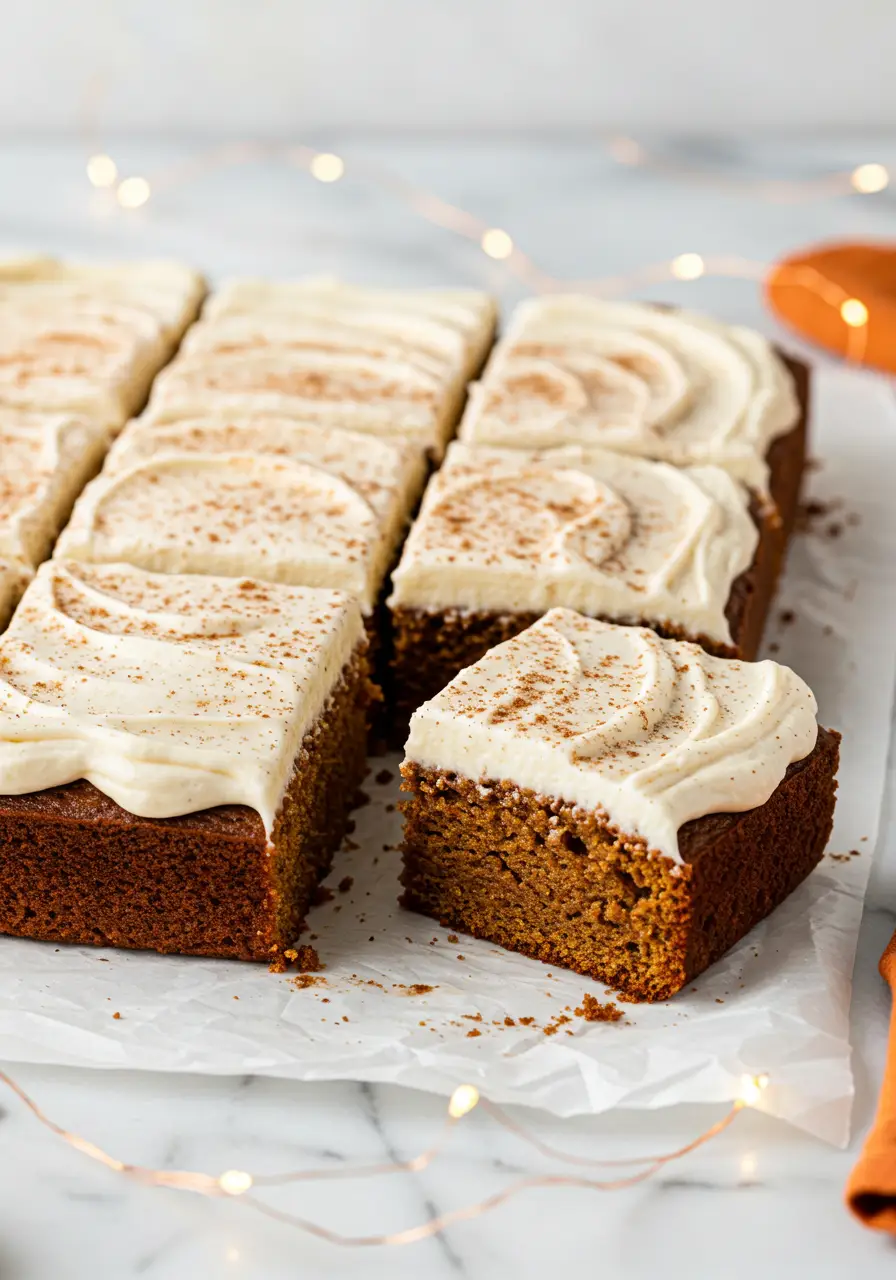
Let me just say it: this Gingerbread Cake should probably come with a warning label. The kind that says, “Don’t leave it unattended on the counter unless you’re okay with half of it mysteriously vanishing.” That’s how good it is.
What you’ll love most is how it takes all the holiday coziness and bakes it into one slice, the warm spices, the rich molasses, the soft crumb that practically melts in your mouth. Out of all the cake recipes I’ve shared, this one feels the most like a hug on a plate. And when it comes to Christmas desserts, I promise, this cake is the one your friends and family will ask you to make again (and again).
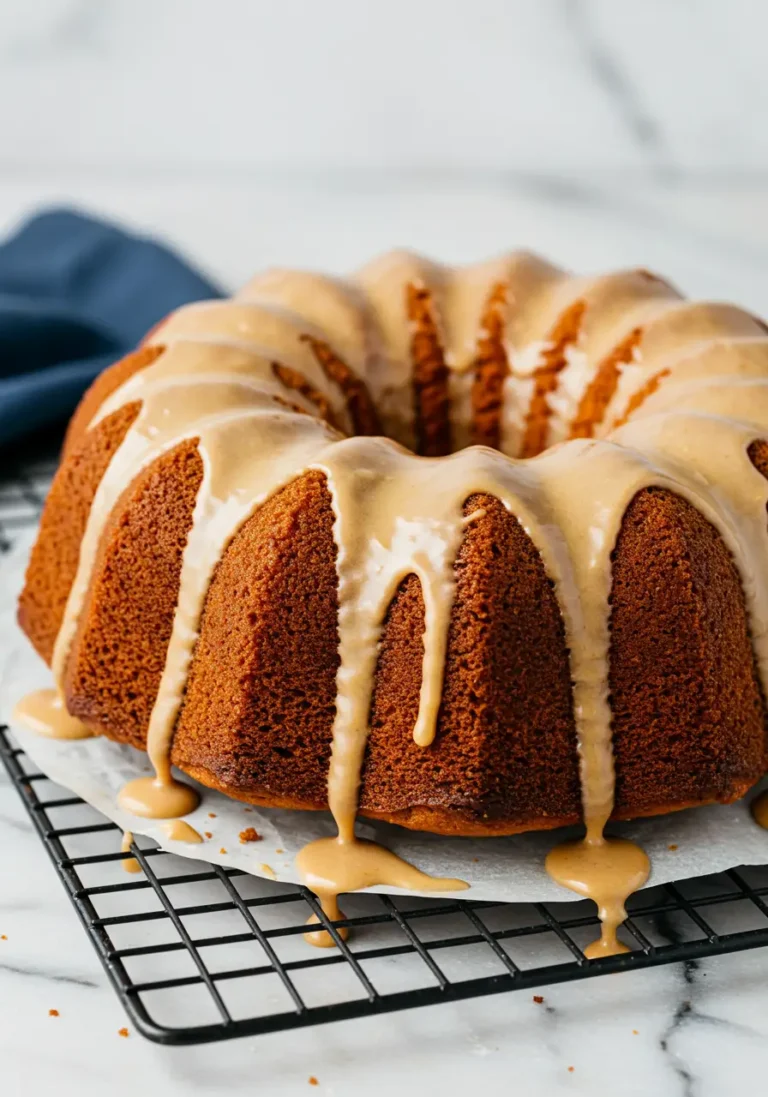
And hey, if you’re into spiced bakes that make the whole house smell amazing, you’ve got to check out my chai cake too, it’s like a warm cup of tea turned into dessert.
All the Reasons to Bake This Gingerbread Cake
Instant holiday vibes – One whiff of this cake baking fills your kitchen with all the cozy Christmas aromas: cinnamon, ginger, nutmeg, and a touch of cloves. You’ll be swept into a scene that feels like pure winter magic.
Soft, melt-in-your-mouth texture – Every bite is tender, moist, and just the right balance of spiced sweetness. Perfect for curling up with a cup of cocoa or coffee.
Easy enough for any home baker – No complicated layers, fancy tools, or hours of prep. Just straightforward, feel-good Cake Recipes anyone can pull off.
Perfect for sharing – Whether it’s your holiday table, a last-minute gift, or a cheeky midnight snack, this cake disappears fast, and you won’t even feel guilty.
Pairs beautifully with other winter treats – From spiced lattes to whipped cream, or even alongside my mini pecan pies.
The Ingredients You’ll Need
- All-Purpose Flour: Gently fold in the flour so your cake stays light and fluffy.
- Baking Soda: Always sift it with the flour to make sure the cake rises evenly.
- Baking Powder: It’s best if you measure carefully, it gives the perfect lift without bitterness.
- Cloves: A small amount is all it takes to create layers of depth and personality.
- Nutmeg: Always add just a pinch to give gentle warmth without overpowering the other spices.
- Ground Ginger: I recommend this for that classic spicy zing that makes Gingerbread special.
- Ground Cinnamon: For the most aromatic, cozy taste.
- Salted Butter: I suggest using butter at room temperature, so it creams smoothly and keeps the cake tender; also helps make the frosting silky.
- Brown Sugar: Always pack it lightly to get that rich, caramel-like sweetness that makes Gingerbread cozy.
- Molasses: Use real molasses for that deep, warm flavor, it’s the heart of this gingerbread cake.
- Whole Milk: For a smooth, silky batter.
- Egg: To help the cake rise and stay soft.
- Cream Cheese: It’s best if it’s softened so the frosting spreads easily and feels silky.
- Powdered Sugar: I recommend adding it slowly to control sweetness and get that perfect frosting texture.
- Vanilla Extract: It brings all the flavors together beautifully.
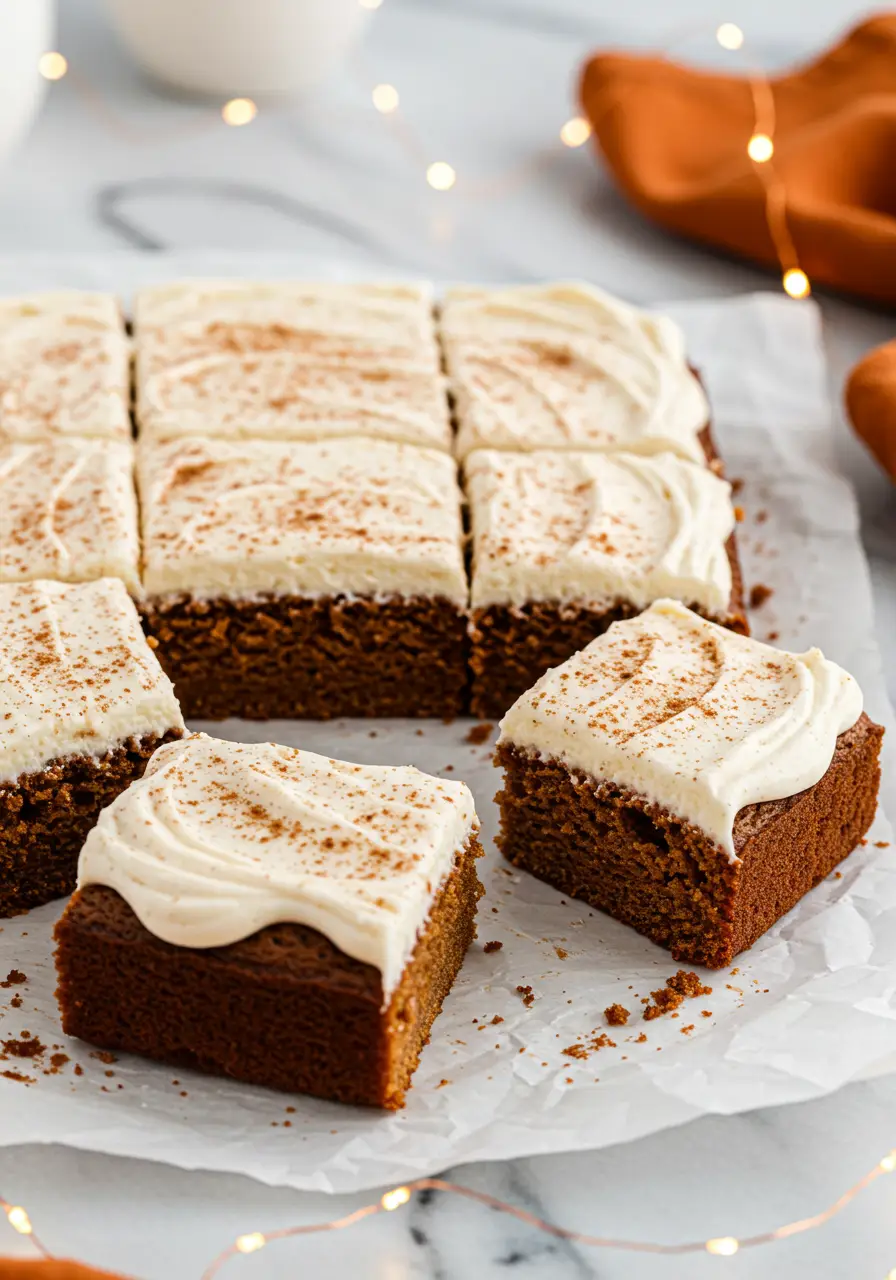
How to Make Gingerbread Cake
Step 1: Get Your Kitchen Ready
First things first: preheat your oven to 350°F (175°C) and line an 8×8” pan with parchment paper. Pro tip: I like to let the parchment hang over the edges a bit, makes lifting the cake out a total breeze later. While you’re at it, grab all your ingredients and set them out. Seeing everything together makes baking feel way less stressful.
Step 2: Prep the Spiced Dry Ingredients
In a bowl, whisk together the flour, cinnamon, ginger, nutmeg, cloves, baking soda, and baking powder. Here’s a tiny trick: sift them if you can, especially the baking soda and powder, it makes folding them in so much easier and ensures the spices are evenly distributed.
Step 3: Cream Butter and Sugar Like a Pro
Whip the softened salted butter and brown sugar together in another bowl until they become light, fluffy, and luxuriously soft. I recommend scraping down the sides of the bowl a couple of times, it helps everything mix evenly.
Step 4: Mix in the Wet Ingredients
Add your egg first, then the milk, and finally the molasses. Mix gently after each addition, it’s okay if the batter looks a little lumpy or uneven. That’s actually a good thing! The molasses gives it its signature rich color and flavor, so don’t be tempted to overmix here.
Step 5: Fold Dry into Wet Gently
Add the dry ingredients bit by bit to the wet base, mixing gently. I always recommend folding with a spatula rather than beating with the mixer, we want this cake tender and light, not dense. Stop folding as soon as you don’t see streaks of flour; a few little lumps are totally fine.
Step 6: Pour and Settle the Batter
Transfer the batter into the prepared pan, then softly level the surface. Here’s a pro tip: tap the pan lightly on your counter a few times, it settles the batter and releases trapped air bubbles. This little move makes your cake perfectly even.
Step 7: Bake Until Perfect
Bake for 20-24 minutes, keeping a close eye toward the end. A toothpick inserted in the center should come out mostly clean with just a few moist crumbs, that’s the sweet spot for soft, tender slices.
Step 8: Cool (and Resist!)
Let the cake cool completely in the pan before adding frosting. I know, I know, it’s tempting to dive right in. But trust me, frosting a warm cake will turn into a melty mess.
Once cooled, coat the cake in a rich, creamy layer of cream cheese frosting.
For days when you want that same soft, tender, just-out-of-the-oven feeling again, my sweet potato pound cake hits the same cozy notes.
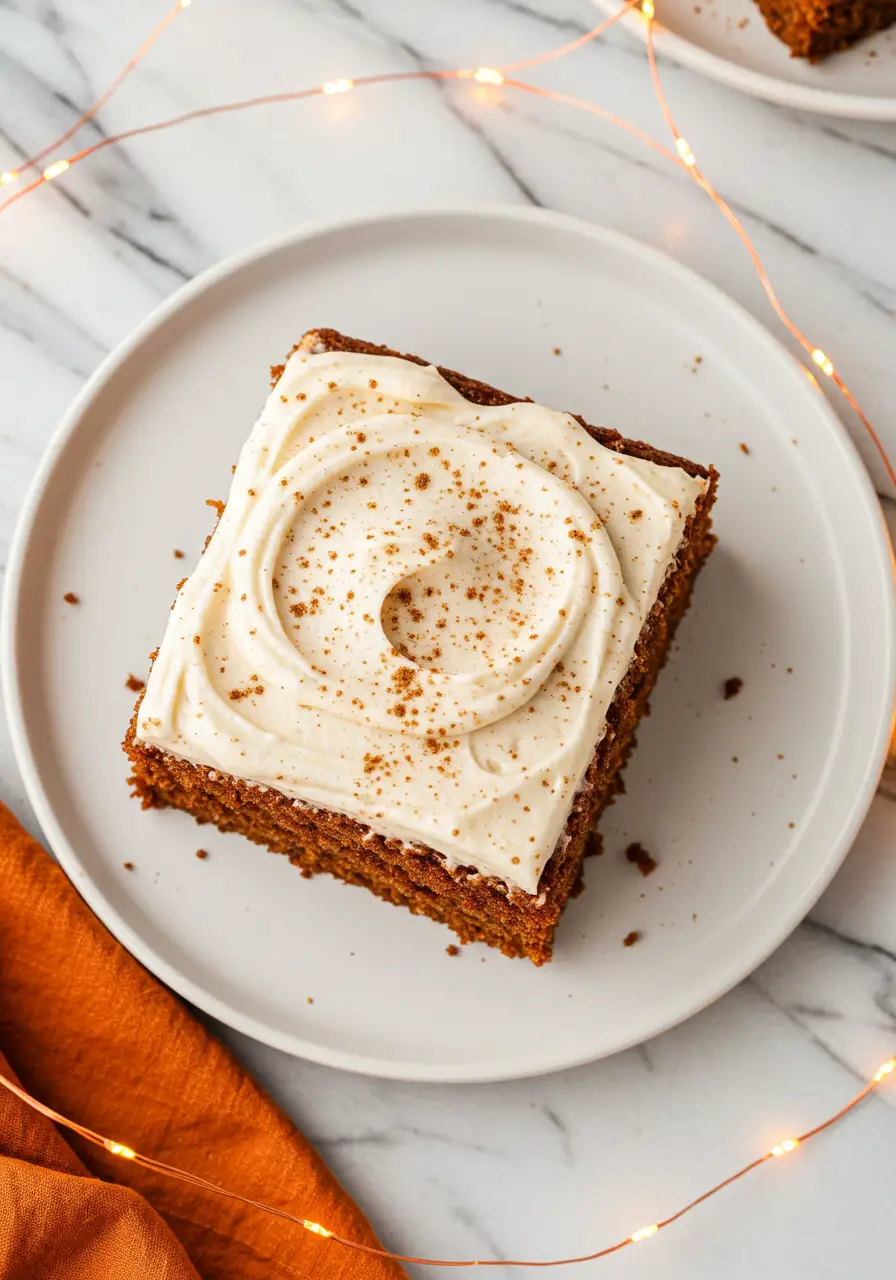
Mistakes to Avoid When Making Gingerbread Cake
Overmixing the batter – I can’t stress this enough: once the dry ingredients hit the wet, fold gently. Overmixing can make the cake dense instead of soft and tender. A few lumps are totally fine, they bake out perfectly.
Skipping the parchment or buttering the pan – Line the pan with parchment or grease it well; believe me, sticky situations are no fun.
Ignoring the molasses – Using less or substituting with dark syrup changes the flavor entirely. Stick to real molasses for that signature Gingerbread warmth.
Frosting too early – It’s tempting to dive right in, but frosting a warm cake can turn into a melty mess. Let it cool completely, your frosting will be smooth and beautiful.
Overbaking – Every oven is different, so start checking at 20 minutes. Pulling it too late makes it dry, and we’re going for soft, tender slices that melt in your mouth.
What Goes Perfectly with Gingerbread Cake
- Warm spiced latte or chai latte – The same cozy spices echo in the drink, making every bite feel like a hug.
- Maple whipped cream – Light, slightly sweet, and it enhances the molasses flavor without overpowering it.
- Roasted nuts (like pecans or walnuts) – Adds a crunchy contrast that pairs beautifully with the soft, tender cake.
- Orange or cranberry compote – A zesty burst that brightens and balances the warmth of the spiced backdrop.
- A scoop of vanilla or cinnamon ice cream – Cold and creamy meets warm and spiced.
- Drizzle of warm caramel sauce – Optional indulgence that makes it feel extra festive for holidays or winter evenings. If you’re a caramel lover, you’ll definitely want to check out my salted caramel cake too, it’s like this cozy, spiced vibe but with an extra layer of caramel magic.
How to Store Gingerbread Cake
Room Temperature – Keep the cake in an airtight container for up to 2 days. Tip: slice only what you need to keep the rest soft and moist.
Refrigerator – Keep sealed in an airtight container, where it will stay fresh for up to 5 days. I recommend letting the cake sit at room temp for 10-15 minutes before serving so the frosting softens and flavors shine.
Freezer – Wrap individual slices tightly in plastic wrap and then in foil. Freeze for up to 2 months. Thaw overnight in the fridge for best texture, then bring to room temp before frosting.
Amazing Holiday Treats to Bake
Frosted Gingerbread Cake
Ingredients
For the Cake
- 1 ⅓ cups all-purpose flour
- ½ teaspoon baking powder
- ½ teaspoon baking soda
- ¼ teaspoon ground cloves
- ¼ teaspoon nutmeg
- ¾ teaspoon ground ginger
- 1 ½ teaspoons ground cinnamon
- ½ cup salted butter softened
- ½ cup packed brown sugar
- ½ cup molasses
- ½ cup whole milk
- 1 large egg
For the Frosting
- 4 oz cream cheese softened
- 3 tablespoons butter
- 1 ½ to 2 cups powdered sugar adjust to sweetness preference
- 2 teaspoons vanilla extract
Instructions
- Set your oven to 350°F (175°C) and prepare an 8×8” pan by lining it with parchment. I like to let the parchment hang a little over the edges, it makes lifting the finished cake out so much easier.
- In a medium bowl, combine the flour, cinnamon, ginger, nutmeg, cloves, baking soda, and baking powder. Give them a good whisk to evenly distribute the spices. If you have a sifter handy, sift the flour and leaveners together, it helps create a lighter, fluffier batter and makes folding easier later on.
- Combine the softened salted butter with brown sugar in another bowl, beating until pale, smooth, and fluffy. Scrape down the sides of the bowl a couple of times to make sure everything is fully incorporated.
- Add the egg, then the milk, and finally the molasses to the butter-sugar mixture, stirring gently after each addition. The batter might look a bit lumpy or uneven, that’s perfect, don’t worry! The molasses gives the cake its beautiful deep color and signature flavor, so keep the mixing gentle.
- Using a spatula, gradually blend the dry ingredients into the wet until just combined. Stop as soon as the flour disappears; a few small lumps are okay.
- Pour the batter into the prepared pan and smooth the top carefully. Tap the pan lightly on your countertop a few times to settle the batter and release any trapped air bubbles.
- Bake the cake for 20-24 minutes. Fold the dry mixture into the wet ingredients bit by bit, handling gently with a spatula. Keep an eye on it toward the end so it doesn’t dry out, soft, tender slices are what we’re after.
- Keep the cake in the pan to cool thoroughly before adding the frosting layer. Once cooled, spread the cream cheese frosting generously over the top, creating a creamy, inviting layer ready for slicing and serving.
Notes
- Don’t open the oven too early; the gentle heat is what gives the cake its tender crumb.
- For a subtle holiday twist, zest a little orange over the frosting, it pairs beautifully with the spices.
- You can toast some chopped pecans or walnuts and press them lightly on the frosting for crunch and festive vibes.